|
|
|
Explosion at Fukushima Nuclear Plant on March 16, 2011 |
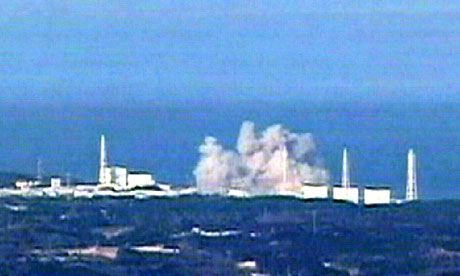
President Chávez has decided to freeze plans for developing a nuclear energy program in Venezuela. The government had plans to develop a nuclear plant over the next decade but a lesson is being taken from the current disaster in Japan. Anti-nuke organizations are applauding Chávez as once again, he has exemplified leadership for heads of state around the world.
On Tuesday, Chávez announced the decision, "It is something extremely risky and dangerous for the whole world ... Despite the great technology and advances that Japan has, look at what is happening with some of its nuclear reactors."
Germany shuts down 7 older plants for 3 months
Other countries around the world are reconsidering their nuclear power policies and their reliance on nuclear power. Chancellor Angela Merkel, for example had announced on Monday that a 3 month moratorium on extending the lifespan of Germany's nuclear plants. On Tuesday, after meeting with state premiers, she announced the seven German nuclear plants built prior to 1980 would be immediately shut down for 3 months. This was seen by many as a political maneuver to shore up her ailing CDU party; however, if that is the case it simply reveals the effects of Japan's nuclear disaster on the public and on their governments.
Canada and Chile Pledge Allegiance to Nuclear Industry
Canada and Chile on the other hand have conspicuously announced plans to forge ahead with their plans to invest billions in nuclear power in the future. Chile said it plans to sign a nuclear agreement with the U.S. despite the Japanese catastrophe. President Sebastian Pinera said he will sign the deal with the U.S. when President Obama visits next week. Chile shares is located on the same Pacific 'Ring of Fire' as Japan and is highly vulnerable to earthquakes and tsunamis. Last year Chile experienced its own 8.8 magnitude earthquake which affected millions of people's lives.
While the explosions and ruptures of Japanese nuclear plants shocked the world and arrested international attention, on Tuesday the Canadian government announced it's plan to continue to proceed with their nuclear power program while their national regulator declared the country's power plants to be safe. A 20 year energy plan was announced last year, including $33 billion investment in two new nuclear reactors in Ontario.
CNN's Nuclear Experts Declare Nuclear Power Clean, Safe and Inevitable
Meanwhile, we watch CNN parade one "expert" after another before the television cameras, most of them preaching the safety and reliability of nuclear energy and declaring future construction of nuclear plants to be "inevitable." Mixed among these experts are many who work for or are direct beneficiaries of the nuclear power industry. One nuclear industry executive fielded yesterday by CNN declared nuclear power to be the safest form of energy for the environment just after a CNN video showed white plumes of radioactive steam and smoke belching out of the blown Fukushima plants in Japan!
President Chávez' announcement to freeze the country's nuclear program is typical of his common sense approach to governance, his grasp of the facts about the cost and danger of nuclear energy, his decisive leadership and his confidence in the will and wisdom of the people.
Bio, More Essays and Poetry by Les Blough