|
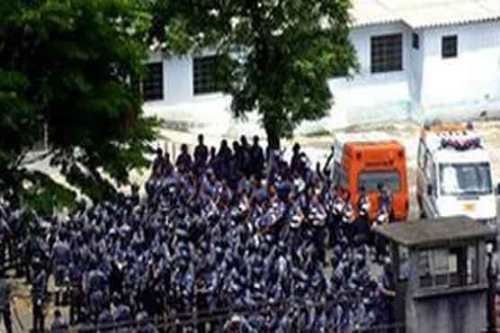
The BBC reported today the 23 police who carried out the 1992 Carandiru Prison Massacre in Sao Paolo were sentenced to 156 years each for murdering 13 inmates during a prison revolt. In total 111 inmates died and many of them were shot dead at close range. It may be 21 years later but sooner or later justice has been done.
This is a major defeat for impunity for crime against humanity in Brazil just as were the recent convictions of former Argentine military dictator Jorge Videla to 50 years in jail and Uruguayan dictator Gregorio Alvarez to 25 years in 2009. In the light of these convictions and especially the Carandiru Prison Massacre perhaps it is time to look at impunity in Venezuela for an almost identical jail massacre that also took place in 1992.
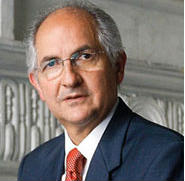
Ledezma claimed that there was a fire fight between prisoners and police but the fact that only one police officer died belies this assertion as the prisoner fatalities and casualties were completely disproportionate to the one policeman who was killed. Prisoners who survived the massacre stated that the police went into an orgy of violence and killing and there were even reports that the then prison governor, Eloy Mora, was seen with a machine gun in his hands. After that fateful day on November 27th 1992, the prison was closed and locked down for a whole week while the evidence and bodies were removed. No one was ever taken to court over this massacre since it was to “quell a revolt” and the Retén was demolished on March 16th 1997 by explosives. However, in 2006 the Interamerican Court of Human Rights ordered the Venezuelan state to investigate the massacre and bring the people responsible to justice. So far neither Ledezma nor jail governor Mora have been brought to justice but perhaps it is high time that almost one quarter of a century later, the victims of the massacre in the Retén de Catia are offered justice. Brazil’s efforts to defeat impunity and jail the perpetrators of the Carandiru massacre should be an example for Venezuelan Attorney General, Luis Ortega Diaz, to follow as well as the Venezuelan judiciary. READ MORE ANALYSIS AND ESSAYS BY |